
Unfolding the rich history of casinos From ancient games to modern gambling hotspots
The Origins of Gambling: Ancient Civilizations
The history of gambling can be traced back thousands of years, with evidence of dice games found in ancient Mesopotamia, dating as far back as 3000 BCE. Archaeological discoveries have revealed that early civilizations, including the Greeks and Romans, engaged in games of chance, often associated with religious ceremonies. The Greek philosopher Plato even discussed the moral implications of gambling, while Roman soldiers played dice during campaigns, solidifying gambling as a part of their culture. Many players today can enjoy exciting options like the aviator game that bring a modern twist to classic gaming experiences.

In ancient China, gambling also flourished, with the earliest forms of keno and card games. The Chinese Han Dynasty (206 BCE – 220 CE) saw the development of various gambling activities, which were often used to raise funds for the state. This deep-rooted connection between gambling and societal functions demonstrates that the allure of games of chance was not merely for entertainment but also served practical purposes in these civilizations.
As cultures evolved, so did the forms of gambling. The introduction of playing cards in the 9th century AD in China marked a significant turning point, as these cards spread along trade routes to the Middle East and eventually to Europe. This diversification of gambling methods laid the groundwork for modern casinos, showcasing the ongoing human fascination with risk and reward across various eras.
The Birth of Casinos: A European Affair
The first establishments explicitly dedicated to gambling emerged in Europe during the 17th century. One of the earliest known casinos, Casino di Venezia, opened its doors in 1638 in Venice, Italy. These venues were luxurious, catering to the elite, and offered a variety of games, from card games to dice. The atmosphere was often lively and filled with music, reflecting the era’s opulence and social norms surrounding gambling as a fashionable pastime.
As the concept of the casino spread throughout Europe, countries like France and England began to develop their own versions. The French Riviera became synonymous with gambling in the 19th century, giving rise to the famous Monte Carlo Casino, which epitomized luxury and glamour. It attracted the wealthy elite from across the globe, creating an international gambling hub where high-stakes games were the norm.
During this period, the introduction of roulette and the establishment of the House Edge fundamentally changed the dynamics of gambling. These innovations ensured that casinos could maintain a profit while providing players with exciting experiences. The combination of architectural beauty, elaborate interiors, and thrilling games solidified casinos as essential components of European entertainment culture.
The Rise of Gambling in America
The American gambling scene started to take shape in the 19th century, particularly with the Gold Rush, which attracted a diverse influx of people seeking fortune. The first casino in the United States was established in New Orleans, where the mix of cultures created a unique gambling atmosphere. However, it was not until the mid-20th century that casinos began to spread widely across the country.
The legalization of gambling in Nevada in 1931 marked a pivotal moment in American history. Las Vegas rapidly transformed from a desolate desert town into a thriving metropolis of entertainment, featuring glamorous casinos like the Flamingo and the Sands. These establishments catered to a wide audience, offering everything from slot machines to elaborate shows, thereby reshaping the perception of gambling as a mainstream form of entertainment.
The introduction of online gambling in the late 1990s further revolutionized the industry, making gambling accessible from the comfort of one’s home. As technology advanced, it enabled casinos to reach a global audience, leading to the creation of virtual casinos that mimic the experience of traditional venues. This evolution has made gambling a staple in American culture, reflected in movies, TV shows, and even the rise of poker tournaments as spectator sports.
Modern Casinos: Innovation and Experience
Today, modern casinos are a blend of cutting-edge technology and extravagant design. Many establishments prioritize providing an immersive experience, incorporating themes, state-of-the-art sound systems, and stunning visual displays. The integration of technology has revolutionized the way people gamble; players can now engage with their favorite games through virtual reality and mobile apps, enhancing convenience and interactivity.
Architecturally, casinos have evolved into iconic landmarks. Notable examples like the Bellagio in Las Vegas are recognized for their breathtaking designs, featuring grand fountains, luxurious interiors, and exquisite art. The emphasis on aesthetic appeal plays a crucial role in attracting visitors, making the casino experience as much about the ambiance as it is about the games offered.
The modern gaming industry continues to adapt, integrating responsible gaming initiatives and advanced security measures to create a safe environment for players. With a focus on fair play and customer experience, today’s casinos aim to provide not just a gambling opportunity but a full-fledged entertainment destination, drawing millions of visitors each year.
Future Trends in Gambling and Casinos
The future of casinos appears to be heavily influenced by advancements in technology and changing consumer preferences. As virtual reality and augmented reality become more mainstream, casinos are likely to enhance the gaming experience by providing fully immersive environments that mimic the thrill of physical casinos. The blending of these technologies can attract younger generations who prefer digital experiences over traditional gambling settings.
Moreover, the rise of blockchain technology and cryptocurrency is also set to reshape the gambling landscape. Many casinos are beginning to accept cryptocurrencies, providing players with greater anonymity and security. This trend may lead to an increase in decentralized gambling platforms, challenging conventional models and offering more flexibility to users worldwide.
Furthermore, the importance of responsible gaming cannot be overstated in the future of casinos. The industry is likely to continue implementing advanced measures to promote healthy gambling habits, ensuring players are informed and protected. With a commitment to safety and enjoyment, the evolution of casinos will undoubtedly reflect society’s changing values and technological advancements.
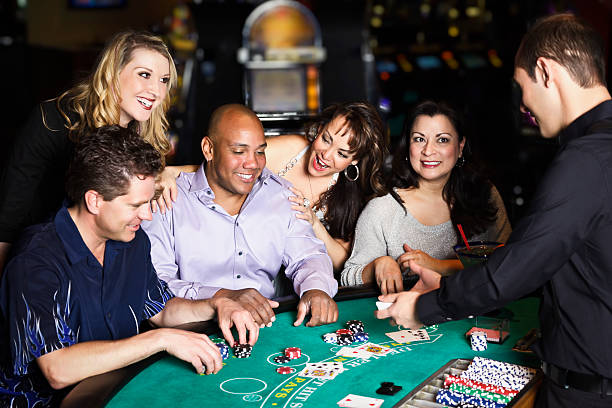
Join the Excitement of Modern Gambling
As the world of gambling continues to evolve, online platforms have become key players, offering thrilling experiences from anywhere. Websites dedicated to providing comprehensive gaming options ensure that both new and seasoned players can find their favorite games in a safe environment. These sites often feature popular games, valuable tips, and strategies to enhance the gaming experience.
With the introduction of responsible gaming practices, these platforms also prioritize player safety, implementing measures that allow users to enjoy their gaming adventures without excessive risks. Engaging in online casinos can be a thrilling experience, and players can explore innovative games tailored to their preferences, from classic table games to modern variations.
Join today to elevate your gaming adventure, whether you are drawn to the historical richness of traditional casinos or the convenience of online platforms. The future of gambling is bright, and there are endless opportunities waiting to be discovered.